Category Archives: TV

House of the Dragon Season 3: The Throne That Corrupts Absolutely

I wrote a while back about how Yellowstone is The Godfather on horseback — a story about what an empire does to the people defending it. House of the Dragon Season 3 just did the same trick with dragons, and did it more deliberately than any season of this franchise so far.

Season 3 wrapped on August 9, 2026, eight episodes after it began, and it is the best-reviewed run House of the Dragon has had — a Certified Fresh 95% on Rotten Tomatoes (its highest of the three seasons, matching the two best seasons of the original Game of Thrones), a 76/100 “generally favorable” on Metacritic, and a premiere block that set IMDb episode-rating records for the franchise (9.2 for episode one, 9.4 for episode two). The numbers back up what watching it feels like: this is the show finally being precise about what it’s always been about.

⚠️ SPOILER ALERT: everything below assumes you’ve finished the season, including the finale. Turn back now if you haven’t.

What the season is actually about

Every season of this show gestures at power and its costs. Season 3 is the first one that says it outright. Showrunner Ryan Condal has confirmed the season was built around Lord Acton’s 1887 line — power tends to corrupt, and absolute power corrupts absolutely — and around a single driving question he kept asking the writers’ room: what does the throne actually do to you, the closer you get to it?

That’s not a subtext I’m reading into it. It’s the stated brief. And the season stages the answer methodically, mostly through one character.

Rhaenyra’s fall is the whole season

Rhaenyra opens Season 3 the way she’s opened every season — deliberate, principled, trying to prove a woman can rule without ruling like the men before her. She ends it ordering deaths, spiraling when Aegon II turns up alive with Sunfyre, and asking Alicent — her oldest friend turned oldest enemy — to help kill Alicent’s own son, Aemond. Condal has since compared her trajectory directly to Daenerys Targaryen’s fall in the original series: a leader convinced she’s owed the throne by right, backed by overwhelming force, running out of people willing to tell her no.

The hinge is Helaena’s death partway through the season. Emma D’Arcy has described Helaena as “the only character who has proximity to power but remains kind of uncontaminated” — close enough to see everything, corrupted by none of it. Her death is the moment, per D’Arcy and Condal both, that “condemns Rhaenyra to the path she’s chosen.” There’s no version of the finale where Rhaenyra comes back from that, because there’s no one left in the room whose disappointment still costs her anything.

Then Aegon survives. The killing that was supposed to settle things settles nothing, and that failure — not a villain twist, just the plan not working — is what tips her into the “unhinged tyranny” the finale is built around.

The court fractures right along with her

The detail I liked most, on a rewatch: D’Arcy and Condal have both said Rhaenyra’s three closest relationships — Daemon, Mysaria, Alicent — function as externalized pieces of her own splintering judgment across the season. Daemon is force. Mysaria is cunning. Alicent is restraint. Instead of integrating the three into one decision, she starts acting on whichever voice got to her most recently.

Which sets up the season’s best structural swerve: Daemon — established across two seasons as the impulsive Rogue Prince — becomes, by the midpoint, the calmest, most clear-eyed person on Team Black, exactly as Rhaenyra absorbs the volatility he used to carry. They basically swap temperaments. It’s a smarter piece of writing than “the reckless one finally grows up” — it plays more like stability is a role the system needs filled, and it just relocated to whoever was steadiest that week.

Aemond and Alicent: proximity without the actual seat

Aemond spends most of the season parked at Harrenhal — a deliberate echo of Daemon’s own Season 2 exile there — which is also the season’s most-criticized pacing choice; a lot of reviews wanted more of him and got Alys Rivers instead. He resurfaces alive in the finale, dragon intact, glimpsed on the Iron Throne in a flash-forward clearly meant for Season 4.

Alicent’s arc is messier by design, and critics are right that some of it plays abrupt — her ride to Harrenhal to move against her own son is the most-argued-about beat of the back half. But there’s a reading of it that’s more interesting than “bad plotting”: three seasons adjacent to the throne, never quite holding it, and when the legitimate channels run out, she acts unilaterally and badly. That’s what influence without an actual seat tends to do, eventually.

What worked and what didn’t

What worked:

  • Condal finally states the thesis instead of implying it, and the season is sharper for having one clear question to answer
  • Emma D’Arcy’s performance carries the entire back half — Rhaenyra’s unraveling never once feels like a plot mechanic
  • The Daemon/Rhaenyra role reversal is genuinely clever writing, not just a twist for its own sake
  • Three real set pieces (the Battle of the Gullet, the Storming of the Dragonpit, the Battle of Tumbleton) that each escalate the argument instead of just being spectacle

What didn’t:

  • Aemond gets sidelined at Harrenhal for most of the season, and the show knows it — several reviews single this out as the season’s biggest pacing problem
  • Alicent’s turn against Aemond needed another episode or two of setup; it reads as sudden even when the underlying logic holds up
  • Helaena’s death, however thematically necessary, is dispatched with less weight than a moment that important deserved

My verdict: 8.5/10. The most purposeful season of this show yet — it knows exactly what it’s arguing and proves it scene by scene, even where the plotting gets ahead of itself.

What’s next

Season 4 is confirmed as the final chapter, expected in 2028. Given where this one left Rhaenyra — and given Condal is openly inviting the Daenerys comparison — I’d bet the endgame is less “who wins the Dance of the Dragons” and more “what’s left of her by the time it ends.” Worth staying for.

Have you finished Season 3 yet? Curious whether you’re Team Rhaenyra-had-no-choice or Team she-lost-the-plot-completely — drop it in the comments.


Sources: DeadlineVarietyScreenRantColliderMovieWebForbesRotten TomatoesMetacriticThe Bull’s Eye.

Categories: 1-By Laksh, ET, Movies, TV
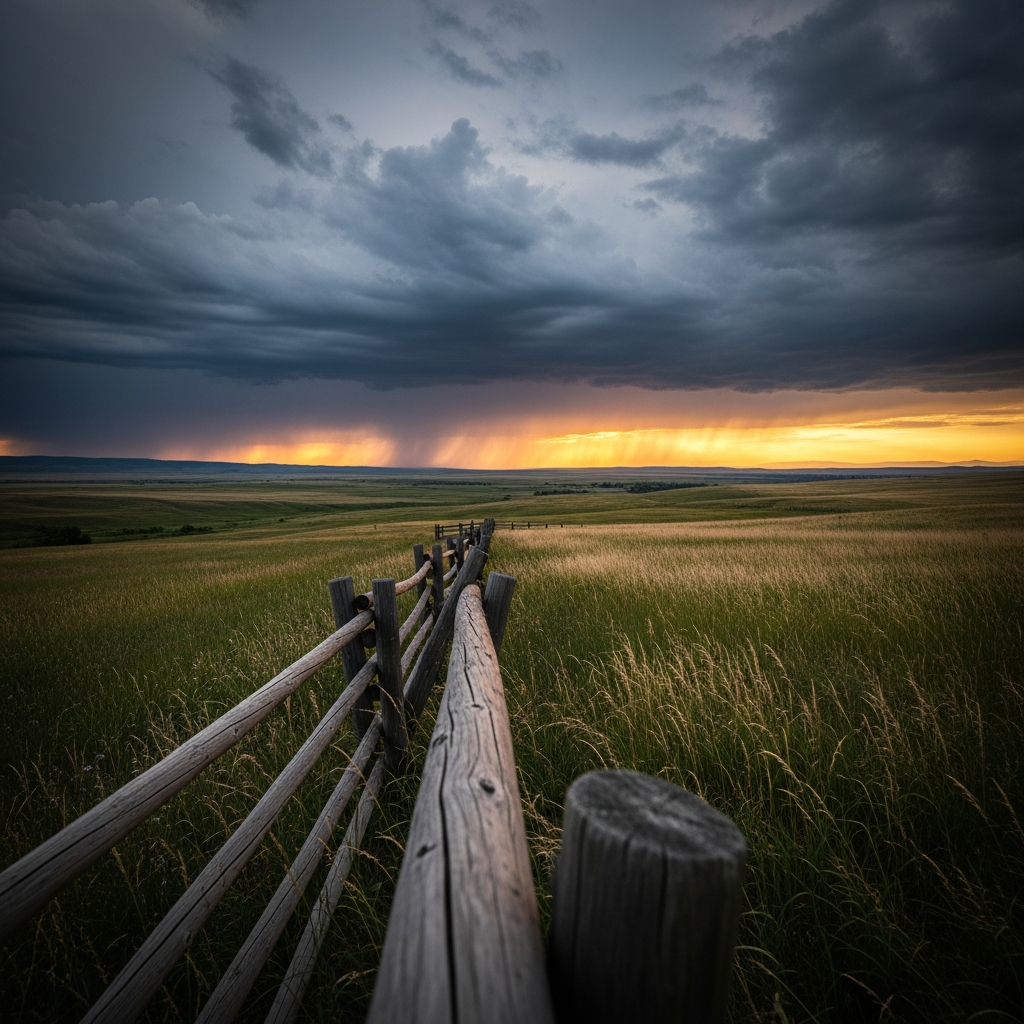
Blood, Land, and Legacy: Why Yellowstone is The Godfather on Horseback

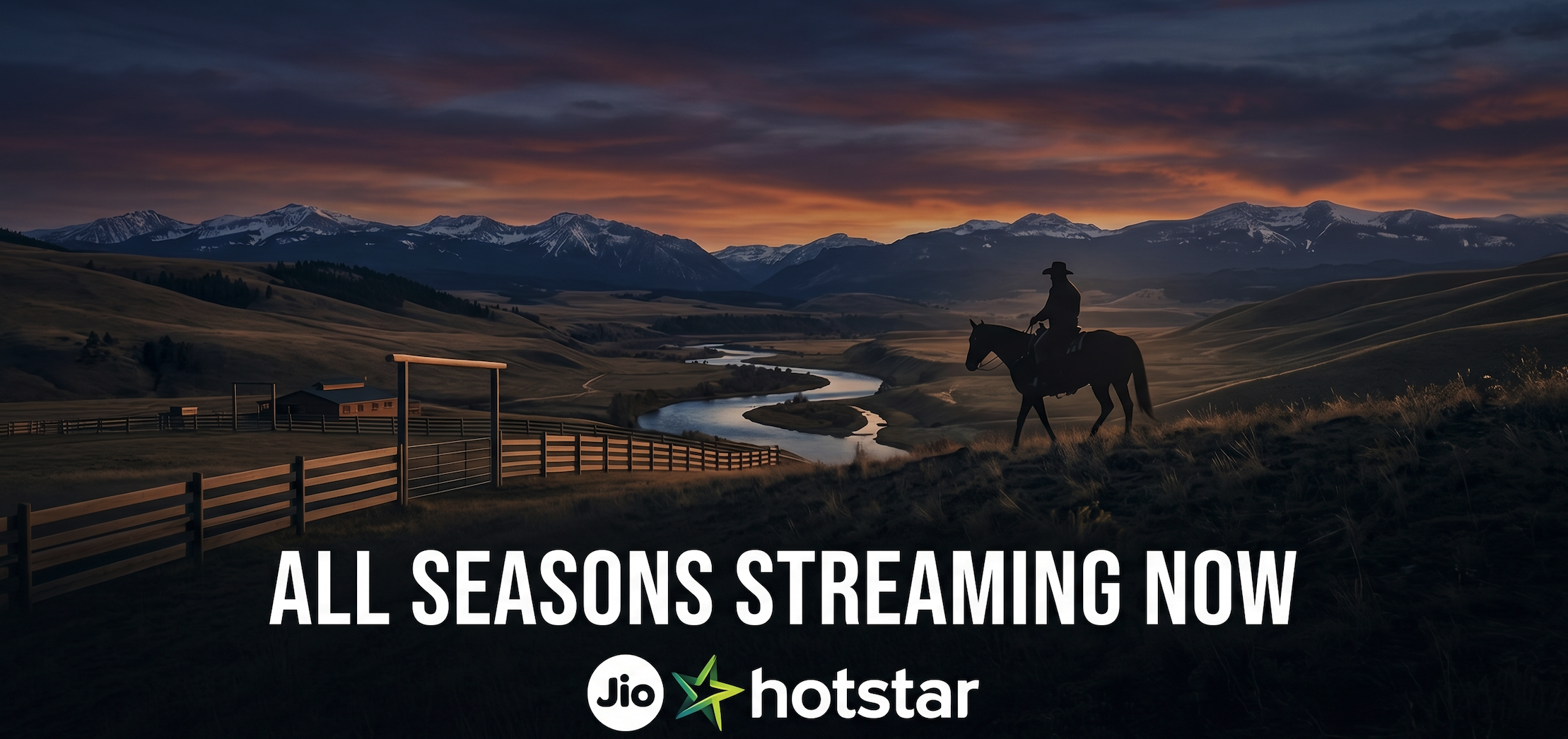
When Taylor Sheridan unleashed Yellowstone onto our screens, it was billed as a modern Western—a gritty, spectacular look at the ranchers, developers, and Native American reservations battling over the soul of Montana. But peel back the Stetson hats, the sweeping vistas, and the rodeo montages, and a distinctly different narrative skeleton emerges. Yellowstone isn’t just a Western; it is a meticulous, sprawling retelling of Francis Ford Coppola’s The Godfather.

The parallels are not just thematic; they are structural, psychological, and profoundly tragic. Both sagas are obsessed with the corruption of the American Dream, the impossible weight of legacy, and the violent lengths to which a family will go to protect its empire from the encroaching modern world.

The sprawling empire: Beautiful, vast, and soaked in blood.

The Aging Emperor: Vito Corleone and John Dutton

At the center of both dynasties sits a patriarch who operates with absolute, almost feudal authority. Vito Corleone and John Dutton are men out of time. They built their power in an era of different rules and now find themselves playing defense against a world that wants to carve up their legacy.

Both men possess a quiet, menacing gravity. They prefer to negotiate, holding violence as a strategic tool rather than an emotional release. Most importantly, both men fundamentally view themselves as righteous. Vito insists he is not a murderer, but a man protecting his family in a country that refused to protect him. John Dutton insists he is not a tyrant, but a steward of the land, protecting it from the concrete-paving greed of coastal billionaires.

The Reluctant Heir: Michael Corleone and Kayce Dutton

If the patriarchs mirror each other, the sons are exact reflections. Michael Corleone is a decorated Marine, a war hero who returns home determined to stay out of the “family business.” Kayce Dutton is a former Navy SEAL who marries an Indigenous woman, Monica, and exiles himself to the reservation to escape his father’s toxic empire.

Yet, the central tragedy of both stories is the inescapable pull of blood. Just as Michael is drawn into the mafia to protect his father after an assassination attempt, Kayce is continuously pulled back to the Yellowstone ranch by crises that only his lethal military skillset can solve. The audience watches in heartbreak as both men compromise their souls, turning from honorable outsiders into the very ruthless enforcers they once swore they would never become.

The seat of power: Where deals are made and enemies are condemned.

The Hotheads and Outsiders: Sonny, Beth, and Jamie

The supporting family structures map perfectly onto one another. Sonny Corleone is explosive, hyper-masculine, and fiercely loyal, but his temper is his ultimate downfall. In Yellowstone, Beth Dutton channels Sonny’s destructive, blinding loyalty, though she replaces his physical violence with financial and psychological brutality. Rip Wheeler, the fiercely loyal enforcer, serves as a modern-day Luca Brasi—an unstoppable force of violence completely devoted to the Don.

Then there is the tragic outsider. Tom Hagen was the adopted son, the lawyer who was in the family but never truly of the family. Jamie Dutton fills this exact void. An attorney manipulated by his father to serve the ranch’s legal interests, Jamie desperately seeks the patriarch’s approval but is constantly reminded that he lacks the true “blood” of the empire, eventually driving him toward betrayal.

A Dying Way of Life

Ultimately, both The Godfather and Yellowstone ask the same haunting question: Can an empire built on violence and moral compromise ever truly be secured? For the Corleones, the threat was narcotics and rival families. For the Duttons, it is hedge funds, airports, and the relentless march of capitalism.

While the horses have replaced the Cadillacs, and the canyons have replaced the crowded streets of New York, the song remains the same. Yellowstone is a masterpiece of modern television precisely because it taps into the ancient, Shakespearean tragedy that The Godfather perfected: A man who gains the whole world, only to lose his soul—and his family—in the process.

Beyond the Scrubs: How St. Elsewhere Set the Standard for TV Dramas

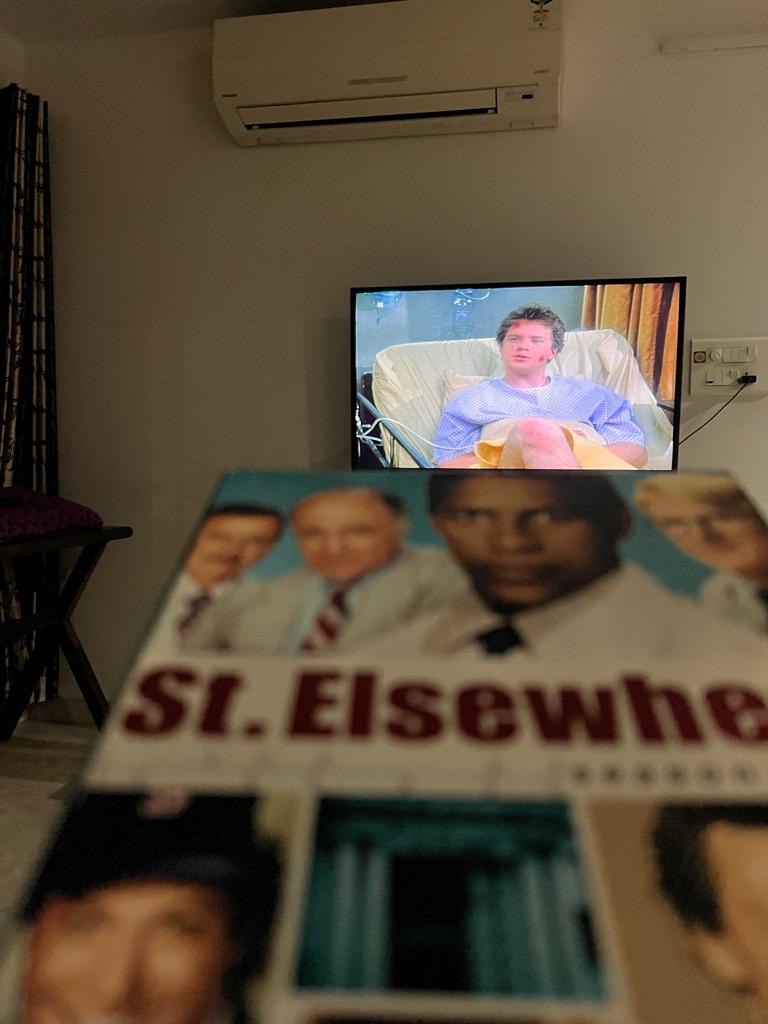
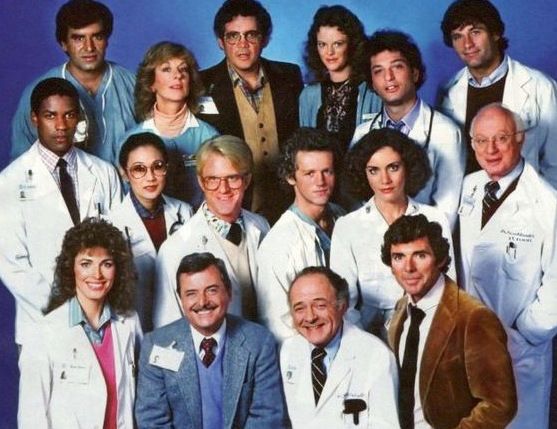
St. Elsewhere, the critically acclaimed medical drama series that aired from 1982 to 1988, boasted an ensemble cast of talented actors, including William Daniels, David Morse, Denzel Washington, and Tim Robbins. In Season 1, viewers were introduced to the doctors, nurses, and staff of the fictional St. Eligius Hospital (derisively called as St Elsewhere) in Boston, and each actor brought their own unique energy and perspective to the show.

William Daniels, who played the tough yet brilliant Chief of Surgery, Dr. Mark Craig, gave a standout performance in Season 1. His strong views and opinions often clash with others, yet his loyalty to his profession steers him clear out of those, and his commitment earns respect from others. But Daniels was not the only one who shone in the show. David Morse, who portrayed Dr. Jack Morrison, and Denzel Washington, who played Dr. Phillip Chandler, brought their own unique talents to the table, creating a dynamic and diverse cast that kept audiences engaged.

Tim Robbins, who played Andrew Reinhardt, who sets off a bomb in a bank and becomes responsible for the death of a woman, makes his mark as the icy and remorseless man. In the making feature of the series, he acknowledged this as a big break and it opened doors in Hollywood.

Howie Mandel, who played Dr. Fiscus, the likable and mischievous resident, added a touch of levity to the often-heavy subject matter of the show. His character’s antics and humorous one-liners provided a much-needed break from the intense medical cases and complex ethical issues that the show tackled.

The making of St. Elsewhere during that time was a fascinating glimpse into the world of television production, with long shots and camera moving from one action to the other, without cuts. The show was groundbreaking in its willingness to tackle difficult and controversial topics, including AIDS, euthanasia, sex-change operation and mental illness. The show also touched upon some uncommon and sensational stuff like a character posing as a patient just to confuse the doctors, a pregnant woman with a gun with intent to kill a doctor etc. The writers and producers worked tirelessly to ensure that the show was both engaging and thought-provoking, which ultimately led to its niche yet very loyal audience.

Overall, Season 1 of St. Elsewhere was a compelling and groundbreaking series that challenged viewers on conventional viewpoint about the world around them. With its talented ensemble cast, powerful performances, and willingness to take on tough subjects, the well crafted show set a new standard for medical dramas and paved the way for the many that followed.

Related Links
Previous article on St Elsewhere