If you’ve been missing the epic ranch drama, family power struggles, and sweeping landscapes of Yellowstone, Netflix delivered a worthy Australian counterpart in late 2024 — only to cancel it after just one season.
Territory is a six-episode neo-Western drama that combines Succession-style family dysfunction with outback grit, Indigenous land perspectives, and high-stakes cattle station politics. It was a critical success and a strong performer in its home market, yet Netflix pulled the plug in February 2025.
Here’s everything you need to know — the full story, cast, reception, why it was canceled, and my honest review.
What Is Territory About?
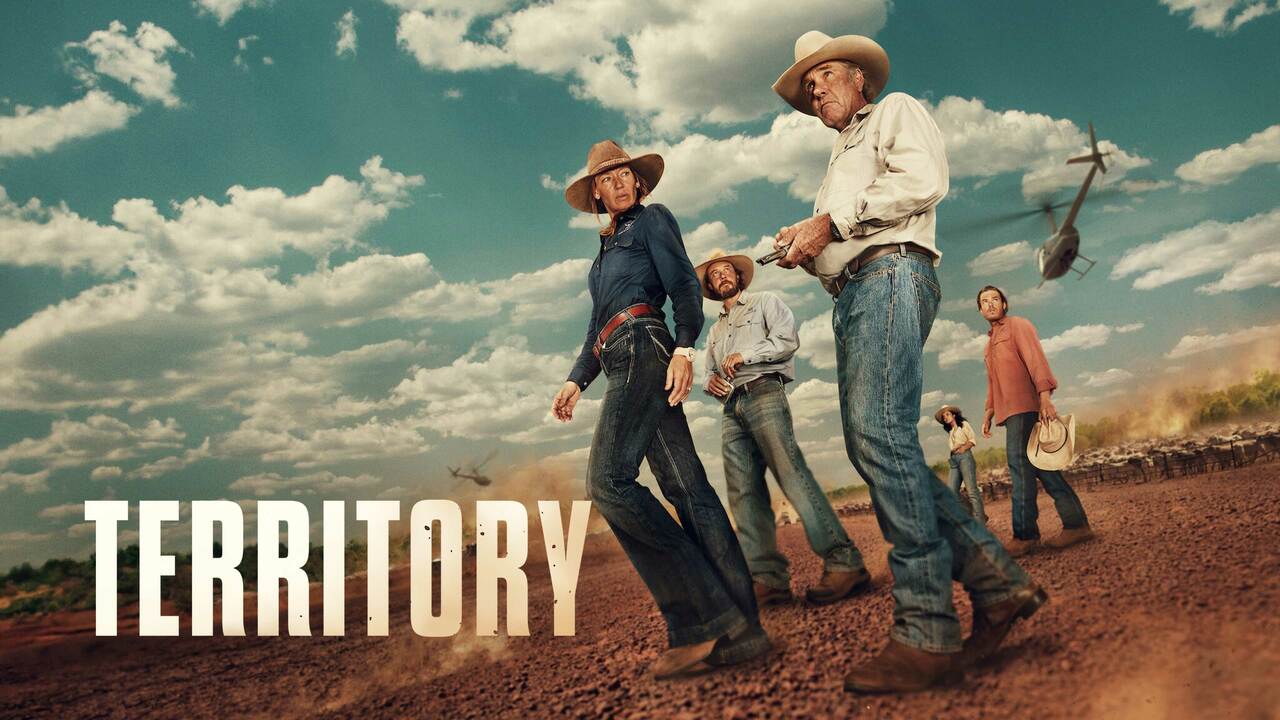
The series follows the powerful Lawson family, owners of Marianne Station — the largest cattle station in the world, located in Australia’s remote Northern Territory.
When the favored son and heir, Daniel, dies in a suspicious riding accident, the family empire is thrown into chaos. Patriarch Colin Lawson shocks everyone by naming his troubled grandson Marshall as the new heir instead of his alcoholic son Graham.
What follows is a brutal succession battle involving:
- Rival cattle barons
- Ruthless gangsters
- Billionaire mining interests
- Aboriginal elders and traditional landowners
The show explores themes of legacy, betrayal, masculinity, land rights, and what it truly means to control “territory” in modern Australia.
All six episodes dropped on October 24, 2024, and it quickly became one of Netflix’s most talked-about new releases.
The Cast & Production
Main Cast:
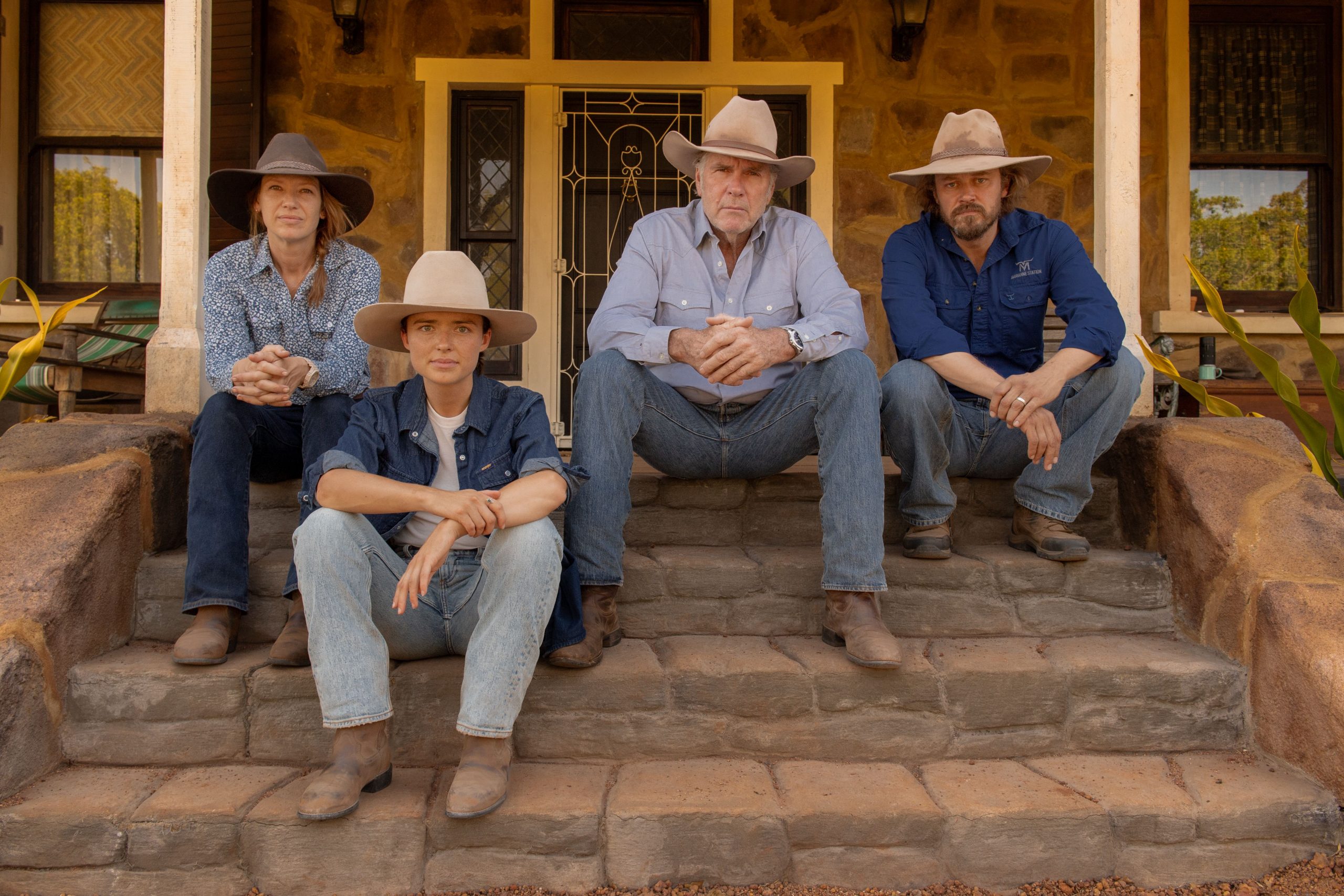
- Anna Torv as Emily Lawson — the strong, capable wife of Graham
- Robert Taylor as Colin Lawson — the tough, old-school patriarch
- Michael Dorman as Graham Lawson — the troubled elder son
- Sam Corlett as Marshall Lawson — the rebellious grandson and new heir
- Philippa Northeast as Susie Lawson
- Clarence Ryan as Nolan Brannock — standout Aboriginal stockman
- Supporting players include Jay Ryan, Sara Wiseman, and Hamilton Morris
Production highlights:
- Directed entirely by Greg McLean
- Created by Ben Davies and Timothy Lee
- Filmed on location in Kakadu National Park and real cattle stations in the Northern Territory
- One of the biggest Australian productions Netflix has ever backed locally
The show looks incredible — the vast red dirt landscapes, dramatic skies, and authentic cattle station details are a major highlight.
Reception & Reviews

Critics were mostly impressed:
- Rotten Tomatoes: 87% (based on 15 reviews)
- Metacritic: 71/100 (“Generally Favorable”)
- IMDb: Around 6.8–7.1/10
Standout critic quotes:
“A rollicking Aussie drama… a sensationally heady mix.”
— Luke Buckmaster, The Guardian (4/5 stars)
“Does better than Yellowstone in its attempts at weaving the Native perspective into the storytelling.”
— Daniel Fienberg, The Hollywood Reporter
The consensus praised the stunning visuals, strong ensemble cast, addictive family drama, and the show’s distinctive Australian voice. Some critics noted it leans into soapy territory and that the first episode can feel a bit cluttered with characters.
Audience reactions were more mixed — many loved the outback spectacle and binge-worthiness, while others found it too slow or overly dramatic.
Why Did Netflix Cancel Territory?
Despite positive reviews and solid initial numbers, Netflix announced in February 2025 that there would be no Season 2.
Key facts:
- The show reached #2 on Netflix’s Global Top 10 English TV shows and hit the Top 10 in 74 countries.
- It generated 87.1 million viewing hours (roughly 15 million views) and spent three weeks in the global Top 10.
- It performed especially well in Australia and New Zealand.
- It ended on a major cliffhanger.
Why it was canceled: Netflix didn’t give a detailed explanation. Industry reports pointed to production timing and scheduling issues — specifically concerns that a second season couldn’t be delivered quickly enough to maintain audience momentum. It was considered Netflix ANZ’s biggest returnable project, but global viewership apparently didn’t meet the streamer’s high renewal bar.
Netflix’s statement was polite but final, thanking the cast and crew while saying they hoped to work with them again.
My Review: What Worked & What Didn’t
What I loved:
- The cinematography and locations are genuinely breathtaking. The Australian outback has never looked this cinematic on TV.
- Strong performances across the board — Anna Torv brings quiet steel, Robert Taylor is perfectly cast as the intimidating patriarch, and Clarence Ryan is a standout.
- It handles Indigenous perspectives and land rights with more nuance than most Yellowstone-style shows.
- The family power struggles and betrayals are genuinely addictive once the story kicks into gear.
What didn’t quite work:
- The first episode throws a lot of characters and subplots at you very quickly.
- It occasionally leans too hard into soap-opera territory (dramatic confrontations, sudden twists).
- Some supporting characters and storylines feel underdeveloped.
Overall verdict:
7.5/10 — A very watchable, visually stunning piece of Australian prestige television. It’s not perfect, and it wears its Yellowstone + Succession influences on its sleeve, but it carves out its own identity thanks to the authentic setting and strong cast.
It’s the kind of show that rewards binge-watching and leaves you wanting more — which makes the cancellation especially frustrating.
Should You Watch Territory?
Yes — especially if you enjoy:
- Yellowstone
- Succession
- Australian dramas with strong sense of place
- Family sagas with political and cultural layers
It’s only six episodes, so it’s an easy, satisfying watch even knowing there won’t be a second season.
Have you watched Territory yet? What did you think of the ending and the cancellation? Let me know in the comments!
Sources: Netflix, Wikipedia, Rotten Tomatoes, Metacritic, The Guardian, The Hollywood Reporter, C21 Media, What’s on Netflix.